
Understanding Dog Body Language
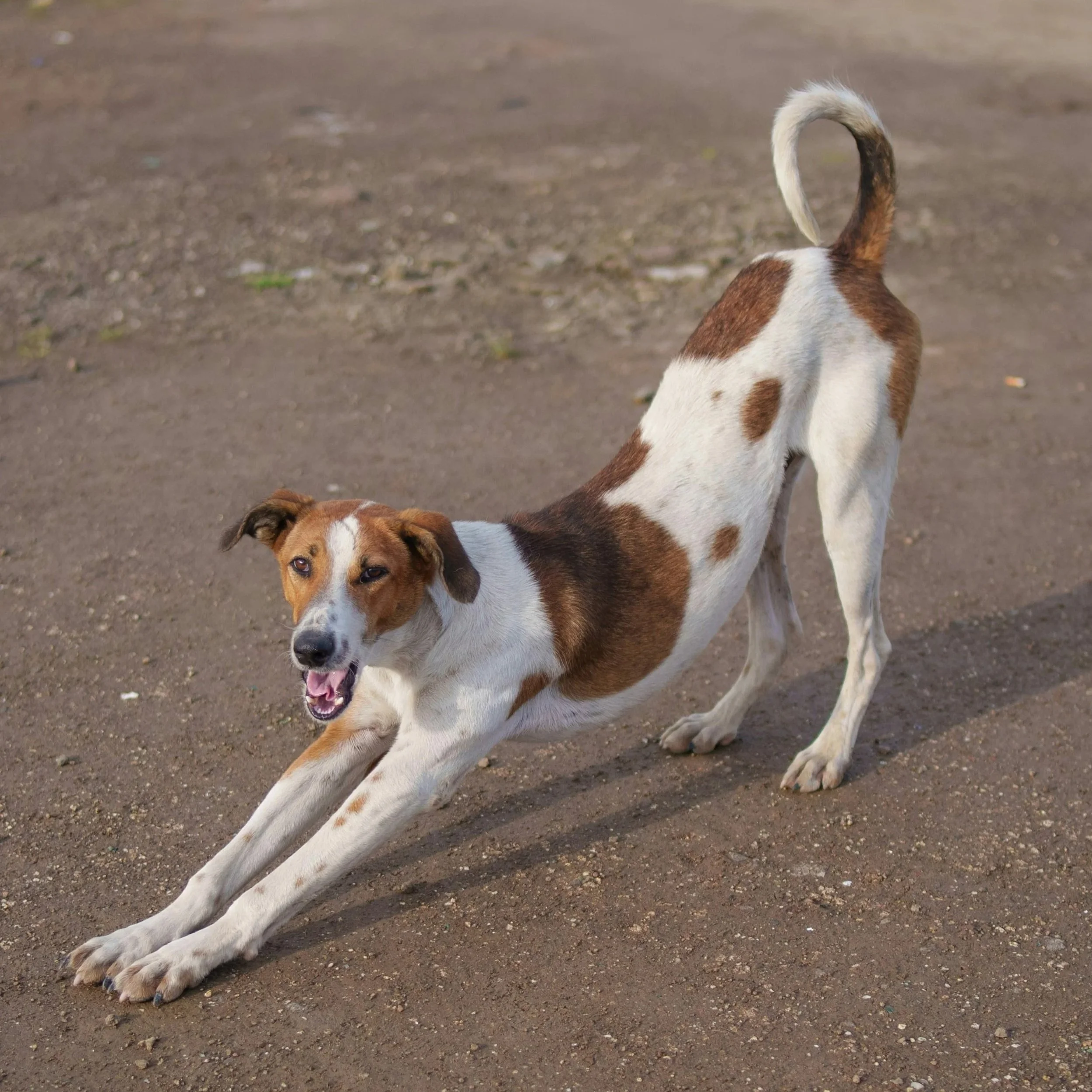
Dogs may not use words, but they’re constantly communicating. Through their body language, facial expressions, and movements, dogs tell us exactly how they’re feeling, it’s just up to us to understand the signals.
Learning to read your dog’s body language can strengthen your bond, prevent misunderstandings, and help keep both dogs and people safe.
Why Dog Body Language Matters
Understanding your dog’s cues helps you:
Recognize when they’re happy, stressed, or uncomfortable
Prevent negative interactions with other dogs or people
Build trust and confidence
Respond appropriately to their needs
Dogs rarely “act out” without warning—most give subtle signals first.
The Basics: Reading the Whole Dog
One of the most important things to remember is that body language should be read as a whole, not just one signal.
For example:
A wagging tail doesn’t always mean a happy dog
A still dog isn’t always calm—they could be tense
Always consider:
Tail position and movement
Ear placement
Eyes and facial expression
Posture and movement
Signs of a Happy & Relaxed Dog
A relaxed dog is comfortable, content, and open to interaction.
Look for:
Loose, wiggly body
Soft eyes (sometimes slightly squinty)
Relaxed ears
Gentle tail wag (full-body wag in some dogs!)
Play bows (front end down, back end up)
This is when your dog is most սոցիable and ready to play or engage.
Signs of Stress or Anxiety
Dogs often show subtle signs of stress before escalating to more obvious behaviors.
Common stress signals:
Lip licking (when not eating)
Yawning
Turning their head away
Whale eye (showing the whites of their eyes)
Tucked tail
Pacing or restlessness
If you notice these, it’s your dog’s way of saying:
→ “I’m uncomfortable. Please give me space.”
Signs of Fear or Overwhelm
When stress increases, dogs may become fearful.
Watch for:
Crouched or lowered body
Ears pinned back
Tail tucked tightly
Avoiding eye contact
Trying to hide or escape
At this stage, it’s important to remove your dog from the situation and help them feel safe.
Signs of Potential Aggression
Aggression doesn’t come out of nowhere—it’s usually the result of fear, stress, or overstimulation.
Warning signs include:
Stiff, rigid body
Direct, hard stare
Raised hackles (fur along the back)
Growling or baring teeth
Freezing in place
These are serious signals that should never be ignored.
Signs Your Dog Wants to Play
Playful behavior can sometimes be mistaken for aggression if you don’t know what to look for.
Play signals include:
Play bow
Bouncy, exaggerated movements
Loose, wiggly body
“Sneezing” during play
Pausing and re-engaging
Healthy play is balanced, with dogs taking turns and respecting each other’s cues.
How This Shows Up in Daycare
In a daycare setting like Fur Seasons Pet Resort & Spa, understanding dog body language is essential for safe group play.
Staff carefully monitor:
Play styles and energy levels
Signs of stress or overstimulation
Group dynamics between dogs
By reading these signals, we can:
Match dogs with appropriate playgroups
Step in before issues arise
Ensure every pup has a safe, positive experience
Tips for Pet Owners
You don’t have to be an expert—just start observing!
Watch your dog in different situations
Learn their “normal” behavior
Respect their signals (especially stress cues)
Avoid forcing interactions with people or dogs
Reward calm, relaxed behavior
The more you pay attention, the more fluent you’ll become in your dog’s language.
Final Thoughts
Your dog is always communicating—you just need to know what to look for. By understanding their body language, you can create a stronger bond, reduce stress, and help your pup feel safe and understood every day.
Want to Learn More?
If you’re curious about your dog’s behavior or how they interact with others, our team at Fur Seasons Pet Resort & Spa is always happy to help. Whether it’s daycare, boarding, or socialization, we’re here to support both you and your pup every step of the way.
